Pantun
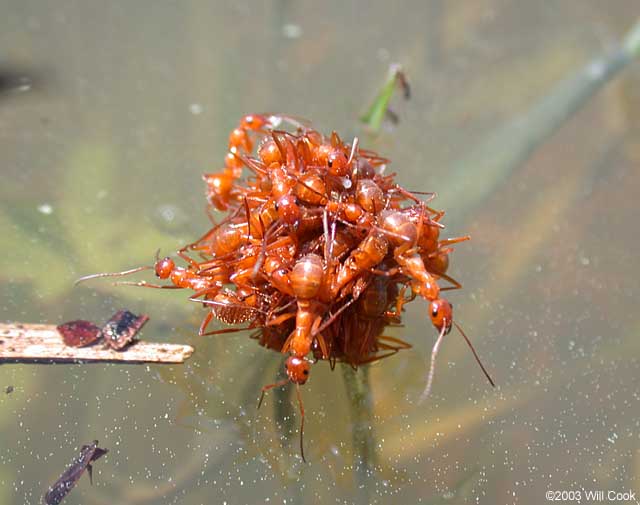
Kerrenga di dalam buloh,Now I'm the first to post up a Malay poem on this blog!
Serahi berisi air mawar.
Datang hasrat dalam tuboh,
Tuan seorang jadi penawar.
________________________________________________
It is of course a pantun, a form familiar to local readers, but not very well known elsewhere. (I had an American friend who was interested in exploring and using Eastern poetic forms, especially haiku, but had never heard of a pantun.) That's such a pity, because pantuns would work just as beautifully in English, I feel.
Some time ago I posted several of them on my blog and was surprised by the strong reaction from readers they evoked - with several other bloggers linking to them. There is, it seems, a hunger in Malaysia for this form of poetry.
The pantun above was written down in my notebook by poet Salleh ben Joned one lunchtime in an Indian restaurant in Bangsar. We were discussing the difficulties of translating Malay poetry into English.
Salleh said that he is at work on a collection of pantuns, and feels that the pantun above is one of the finest he has come across.
I can't render it into an exquisite English pantun (I leave the challenge to you guys!), but the gist of it is (and please excuse inaccuracies):
Red ants in the bamboo,
Vessel full of rosewater.
Come passion to my body,
You are the only one can satisfy me.
The first two lines of a pantun always contain an image from the natural world. The second couplet tells a human story.
Pantuns, say Salleh, only really work when the natural image reflects in some sense the content of what follows. (This certainly makes sense to me.) He points out that this is not the case of many of the pantuns which have appeared in anthologies.
In the patun above, the ants are drowning in the rainwater that has collected between bamboo stems, turning it as as red as rosewater.
How does this image echo the human story? Red is the colour of passion and rosewater is sprinkled on the bride and groom during the bersanding ceremony of a Malay wedding to bless them. (The word serahi also surely conjures the unspoken word berahi, meaning passion?)
But there's something a little less comfortable in the image. The sting of red ants is particularly painful. Like love, perhaps?
Labels: bibliobibuli's choices, malay poetry, pantuns
posted by bibliobibuli at 10:42 PM
|
11 comments


